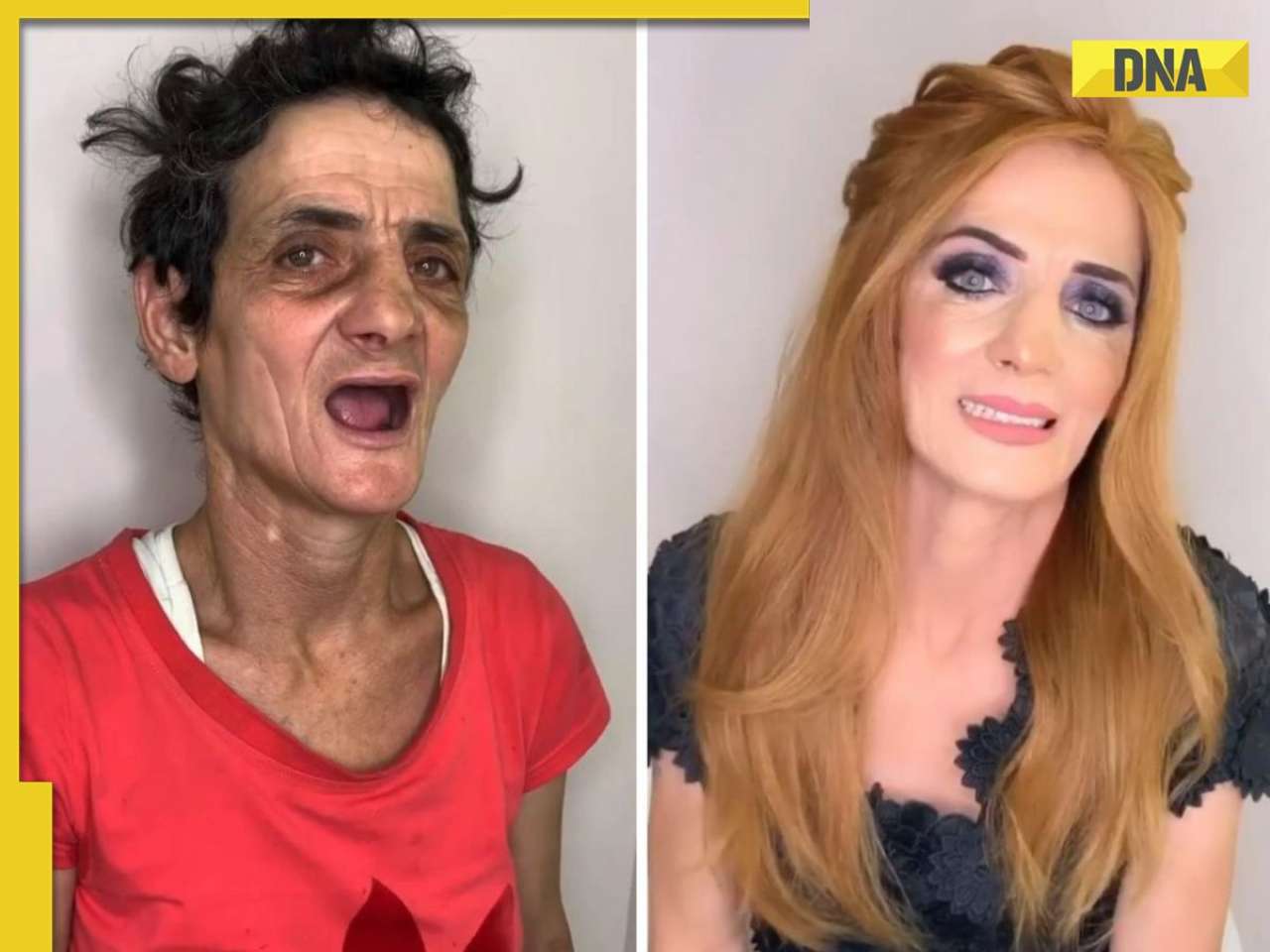
The most profound change, however, could not be measured by physical appearance alone. It was reflected in the way she carried herself, in the subtle shift of her posture, and in the light that slowly returned to her eyes. For the first time in years, she saw her reflection and recognized someone deserving of kindness and belonging. The disbelief she initially felt gave way to emotion, and tears became a natural response to the realization that she had not been forgotten after all. This emotional transformation marked a turning point that extended far beyond the makeover itself. It reignited a sense of possibility, allowing her to imagine a future that once seemed out of reach. Confidence began to replace doubt, and with it came the courage to consider opportunities she had previously dismissed as unattainable. The change was not instant, nor did it erase the challenges she still faced, but it provided a foundation upon which she could begin to rebuild.
Rita’s story serves as a powerful reminder that circumstances do not define a person’s worth. Homelessness, often misunderstood, is rarely the result of simple failure; it is frequently the outcome of complex, deeply personal struggles that go unseen. Her journey illustrates how easily someone can be pushed to the margins and how transformative it can be when even one person chooses to truly see them. The impact of compassion extends far beyond a single moment, creating ripples that can alter the course of a life. While her makeover captured attention, the deeper significance lies in the restoration of dignity, hope, and human connection. It is a testament to the idea that change does not always require grand gestures—sometimes, it begins with recognition, with the simple yet profound act of acknowledging another person’s humanity. Through this experience, Rita not only regained her sense of self, but also reminded others of the quiet power of empathy in a world that often moves too quickly to notice those left behind.




This Post Has One Comment