Inside the frame was my own face. It was my junior-year portrait set against black velvet, with a small brass plate beneath it giving my name and the year I came home from the hospital as the year I was lost. Tucked into the corner was a plant tag in my handwriting. Graft is good. Water deep the first summer. She’ll bloom. Brooke had planted that dogwood in a memorial garden for me, never knowing she had bought it from me. Every rule finally lined up: the candle, the missing name in the obituary, the lock, the prayer. My parents had let the Whitfields believe I was dead, because it was easier than saying the word hospital out loud.
I did not wake anyone. I sat at the dining-room table and opened the yellow notebook, seven years of tally marks, dates, and texts. In the morning, my father found me there with coffee I had made myself. My mother stopped in the doorway, arms crossed, the way she always did. “Joni,” she said, and her voice broke on my name. I told her I had not come to shout. Brown means dead, I said, and green means living, and I had been living the whole time, just not where they could see me.
They did not argue. My father cried without sound. My mother said shame had hardened into a plan, and the plan into a habit. I told her I understood fear, and that it was still not a reason. I took the notebook, my medication, and the folded funeral program, and drove back to Opal’s farm. Brooke came a week later, after Grant told her everything. She stood in the orchard and said, “I knew I should know you.” We sat between the peach trees, and I told her all of it while she held my hand.
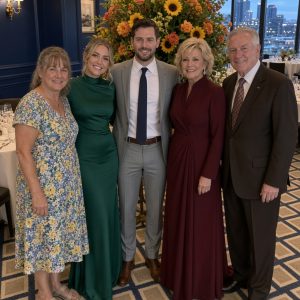
That autumn, the Whitfields gathered at the memorial garden, though not for the service they had planned. Marianne asked my forgiveness for praying over a closed door when she should have knocked. My parents stood at the back, where I used to stand. I did not forgive them in one afternoon. I pulled the brass plate from the frame, kept the tag, and carried both home. The dogwood bloomed that spring, pale and certain, and so did I.