When my brother Daniel asked for twenty-five thousand dollars to save his business, I said yes. We had always helped each other. He promised every dollar back within two years. We signed a simple agreement so the promise would not depend on memory. For a few months the payments arrived. Then they slowed, then they stopped. Excuses replaced checks. My parents told me to be patient, because family should come before money.
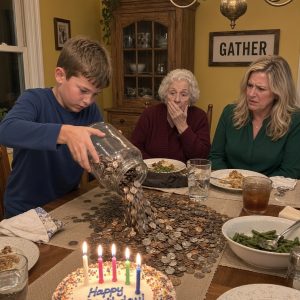
At dinner he said he had never thought of it as a real loan. My mother set a paper on the table. It described the twenty-five thousand as a gift I had given freely, with no expectation of repayment. My name sat at the bottom. I had never signed it. My father said the page only wrote down what everyone had already understood. I opened the original agreement on my phone. Daniel shrugged and said circumstances had changed. My mother said I was embarrassing him while his business struggled. They did not want a payment plan. They wanted my silence.
I photographed the unsigned statement and left. A lawyer looked at both papers and told me to keep every message and make no accusation I could not show. I sent Daniel a written request with a schedule he could actually meet. He ignored it until the legal notice arrived. Then he called. After several hard conversations he agreed to monthly payments. My parents were angry. I did not withdraw the request to make the table comfortable again.
Over the next year the debt came back, payment by payment. Dinners grew rare. The old ease did not return. I stopped lending without a signed page and a copy I controlled. Love did not require me to pretend an unsigned gift letter was my signature. The money was returned. The trust was not, and I stopped treating those two things as the same promise.