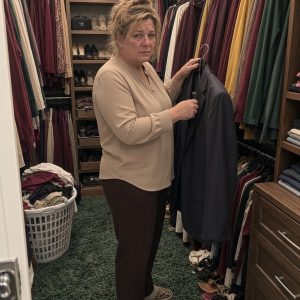
When my stepmother grew too ill to live alone, I was the one who stayed. Her son lived forty minutes away and still found reasons not to come. I made soup she could keep down, cleaned the floor at two in the morning, and brushed her hair when it came away in my hands. She would take my fingers and say I had my father’s heart, that I was a good son even if I was not hers by blood. I did not stay for a house. I stayed because I would not let her die in an empty room. The night she went, rain tapped the glass and she held my hand until the house went quiet.
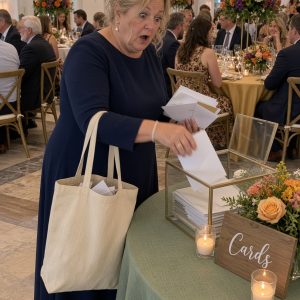
At the funeral he played the grieving heir. Then the lawyer read the will. The house, the accounts, the jewelry, the small things—all of it went to him. Not my name. The sting was not greed. It was the old knowledge that doing the right thing does not always get written down. He leaned in, loud enough for the room. Looks like you were just the free help. Kindness does not always pay. I said nothing. That night I slept the first real sleep in months.
At six the next morning he called, voice gone. There was something in the attic. A letter with my name. He had found a key taped under a dresser and opened a chest he thought might be about him. The first line told him it was not. Her letter said the will had been tied to agreements she could not undo, and that love was not the same as a legal list. Inside a second envelope was the deed to a lake cottage in Rosewood, bought years earlier, held in her name only, already transferred to me. She wrote that love cannot be inherited. It has to be earned.
I drove there that afternoon. White curtains. Old books. Lilacs. A picnic photo of her, my father, and me that I did not know she had kept. Behind the frame she had left one more note: this was her happy place; forgive him; he does not know how to love gently yet. He came to the porch later with her journals in his head and an apology in his mouth. He asked if he could visit. I said she would like that. Months on, the cottage became a small rest place for hospice caregivers and took her name. He fixed the kitchen. We never became brothers in the easy sense. We became two people who finally understood the difference between a house and a heart. She left him the property the law could see. She left me the place she actually lived.