The first thing she noticed missing was the coffee maker, on the fourth morning, because by then I was already three states away. What she did not know, what neither of them knew, was that the deed had never left my name. Dashiell had asked me two years earlier to transfer it to him for the taxes, and I had said I would, and I never had, because something in me had waited even when I did not know what it was waiting for. The house was mine. It had always been mine. The tenant was a fiction Marisol invented and I let her keep it for exactly as long as it took me to pack.
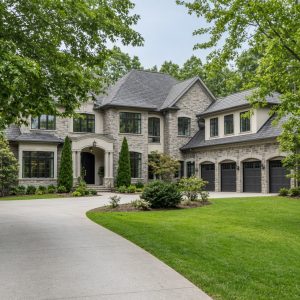
I went to the cottage in the Hudson Valley that Ambrose and I bought in 1994 and rented out ever since. The last tenant had left in August. I did not tell my son where I was going. I left a note on his father’s table that said the mortgage, the oil, the insurance, and the internet were all in my name and would be cancelled at month’s end, and that if he wished to keep living in my house he was welcome to pay me eleven hundred a month, and that fair was fair.
He called on the sixth day, after the oil ran low and the insurance lapse notice arrived. He did not argue. He cried, which I had not heard him do since he was a boy, and he told me the truth, which was that Marisol’s mother had never needed care and the money had been going toward a debt he was too ashamed to name.
They moved out in October. It was still my house and I chose not to sell it. Marisol left him in the winter.
He rents in Ridgewood now and comes up on the train once a month and fixes whatever is on my list. He sanded the wobble out of his father’s table in the spring.
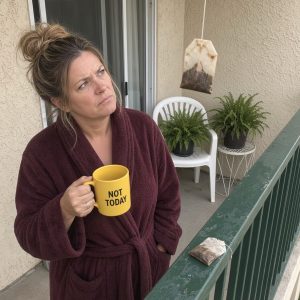
I live in the cottage. It gets the morning light and it is entirely mine and I make my coffee slowly.
They handed me an invoice for a room in a house I had carried on my own back for thirty years, and I understood at last that I had trained them to see me as furniture. A person is not a fixture. The morning I stopped paying to sit at my own table was the morning I finally owned it.