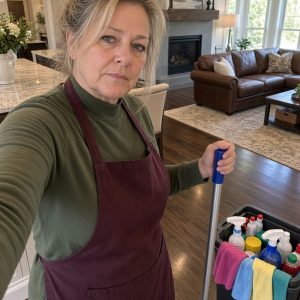
When Ryan and I bought our first modest three-bedroom house, I believed it would mark the peaceful start we had planned for years. His parents had helped with part of the down payment, and we thanked them repeatedly. What I did not realize was that they treated their contribution as a permanent entrance pass. Visits that began once or twice a week soon became almost daily. They rarely called and often used a spare key Ryan had given them without telling me. They opened the refrigerator, changed channels, invited relatives, and sometimes stayed until two or three in the morning. The mess was left for me.
Whenever I raised the issue, Ryan answered the same way: be nice, they helped us buy the house, they are family. Around his parents he became a son who could not say no, convinced that boundaries would make him look ungrateful. Eventually I stopped arguing. When they arrived I simply left—for the gym, a café, or long aimless drives. I was escaping my own home. Ryan noticed only that I was “making things awkward.”
One evening my plans canceled and I came home early. I walked into shouting, laughter, and the sight of four young nephews turning the living room into a playground. Cushions were piled on the floor, metal toy cars scratched the oak table, and watercolor paint soaked into the cream carpet. Ryan’s face went pale. He admitted he had planned to clean everything before I returned. Diane said the children were only playing and reminded me again that they had helped pay for the house. I asked everyone to leave. That night I stayed with my sister and told Ryan I would not return until we had an honest conversation.
The next day he cleaned for hours, apologized without excuses, and admitted he had been more afraid of disappointing his parents than of hurting me. Together we wrote clear rules: call first, return the spare key, plan visits that end at a reasonable hour, invite no extra guests without asking both of us, and repair any damage caused. Ryan invited his parents over, placed the key on the table, and stated that helping with the down payment did not make them owners. After an uncomfortable stretch, Michael arranged table repairs and Diane paid for carpet cleaning and a partial replacement. A month later she called to ask if Sunday afternoon would work. They arrived with dessert, stayed two hours, helped clear dishes, and left before dinner. For the first time the house felt like ours. Gratitude for their help remains, but it is no longer a lifetime obligation to surrender privacy and peace. A gift should open the door to a better future—not leave someone else holding the key.