“I do not know your name, but I know you are brave,” my wife told the bride. “My boy stores his worry in his jaw. When he goes quiet, do not leave the room. Sit down beside him. That is all he has ever needed.” Then a song began, the one that used to drift from our truck radio on long summer drives. My son led his bride onto the floor, and I noticed his cuffs were folded the way his mother taught him, crisp and even. He had ironed that shirt himself. His jaw was soft for the first time all day.
Near the end, her voice came once more. “Now the rest of you, say my name once, softly, so I know I was here.” For a moment nothing happened. Then, from the back, a single voice said, “Ruth.” Another followed, and then the whole ballroom said it, low and unhurried, like a prayer. My second wife stood at the edge of the floor, hands wrapped around her elbows. Then she set down her glass and was the first to clap. She looked like someone who had braced for a blow and received a blessing instead.
Afterward, I sat in the truck with the cassette in my hand, and my second wife climbed in beside me without being asked. “Play Side B,” she said quietly. I turned the tape over and pressed the button. “If you are hearing this, you are the one who stayed,” Ruth said. “Do not let him keep me in a toolbox. Put my pie crust on the table and make it yours. Thank you for the quiet house.” My wife cried without a sound. I held her hand until the tape ran out.
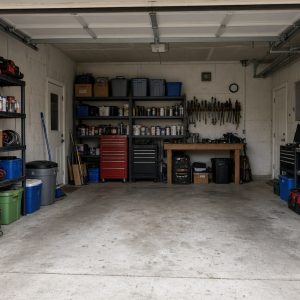
The next Sunday, she baked the pie crust from the church cookbook, flour on her sleeves, my son and his bride at the table. It was not perfect, and nobody said so. The cassette went onto the kitchen shelf, beside the photographs. Three of them now, and finally the right one among them. The toolbox stayed closed. It had held something precious for seven years, and at last it was only a toolbox again.